
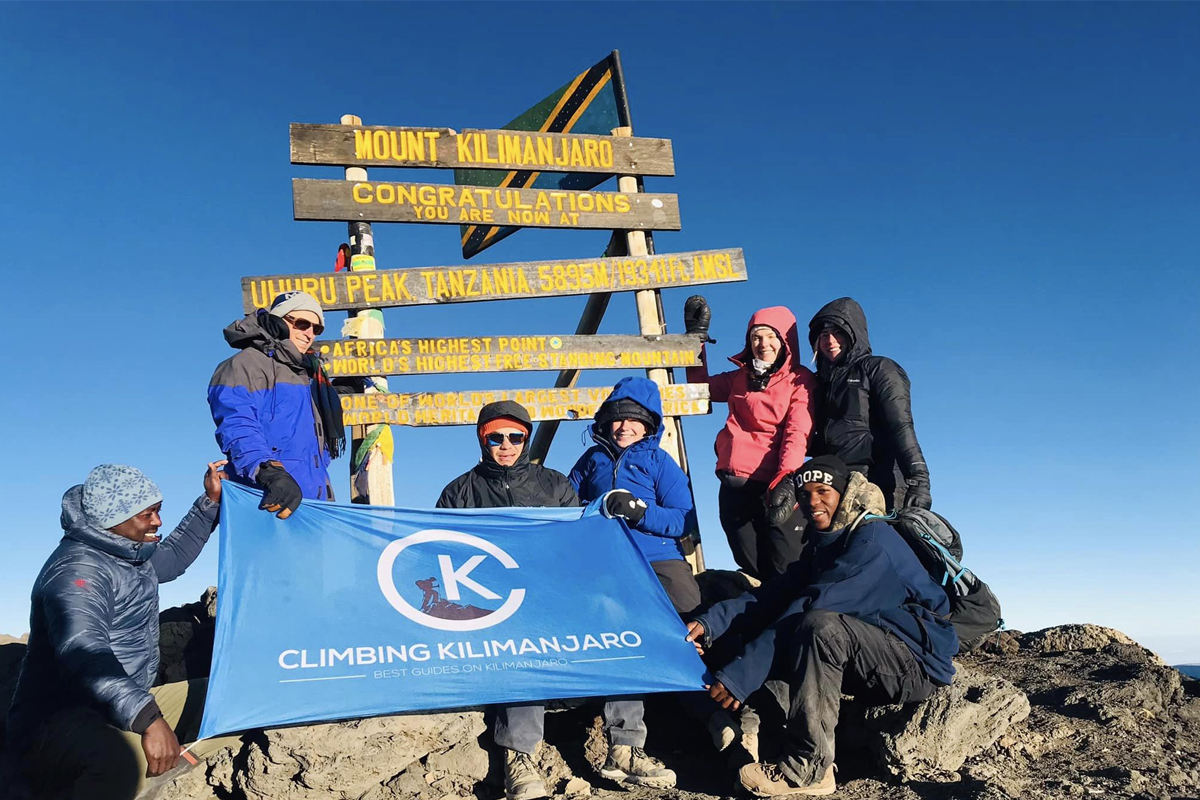
Due to Tanzania’s proximity to the equator (between 1 and 11.45 degrees latitude south of the Equator and 29.20 and 40.35 degrees longitudes east), this region does not experience the extremes of winter and summer weather,
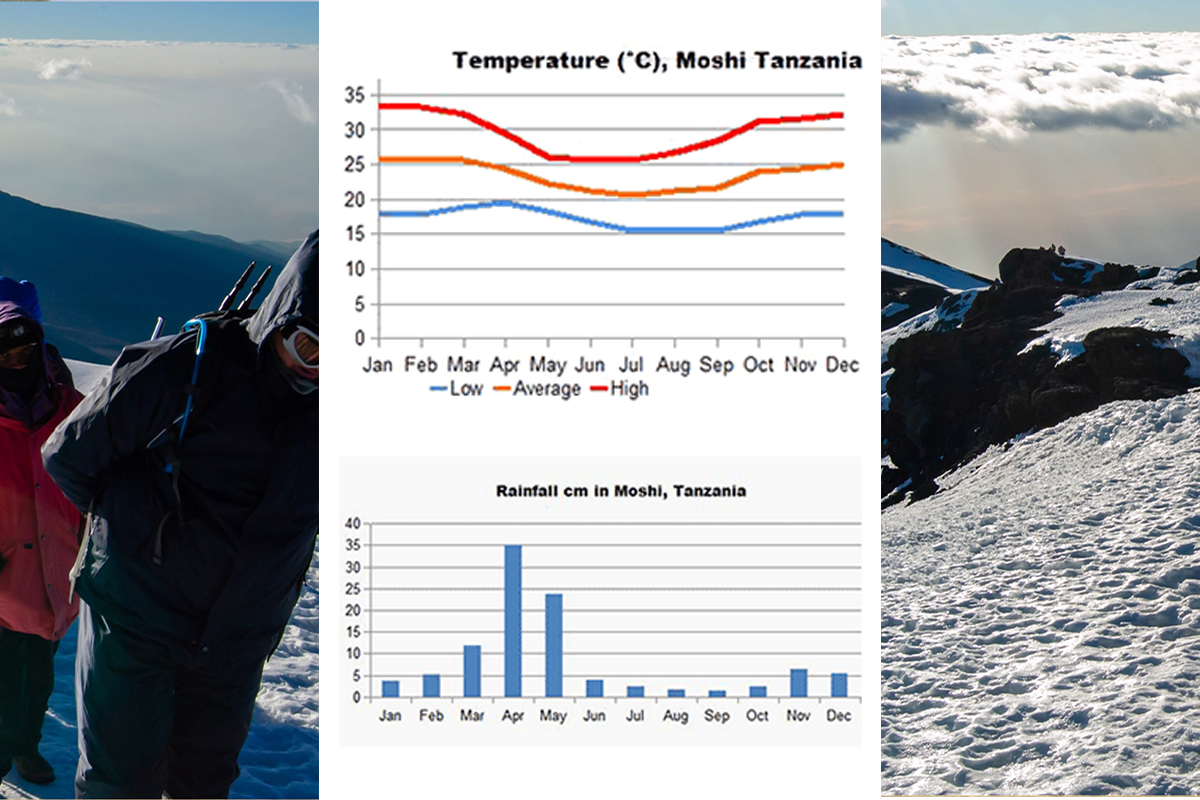
Due to Tanzania’s proximity to the equator (between 1 and 11.45 degrees latitude south of the Equator and 29.20 and 40.35 degrees longitudes east), this region does not experience the extremes of winter and summer weather, but rather dry and wet seasons. The local Weather conditions on Kilimanjaro can be somewhat unpredictable to say the very least. Rainfall varies from 2100 mm per year in the rainforest belt to less than 120 mm per year in the summit zone. Similarly, daily temperature changes are unexpected when compared to normal weather cycles, and are largely dependent on Altitude.
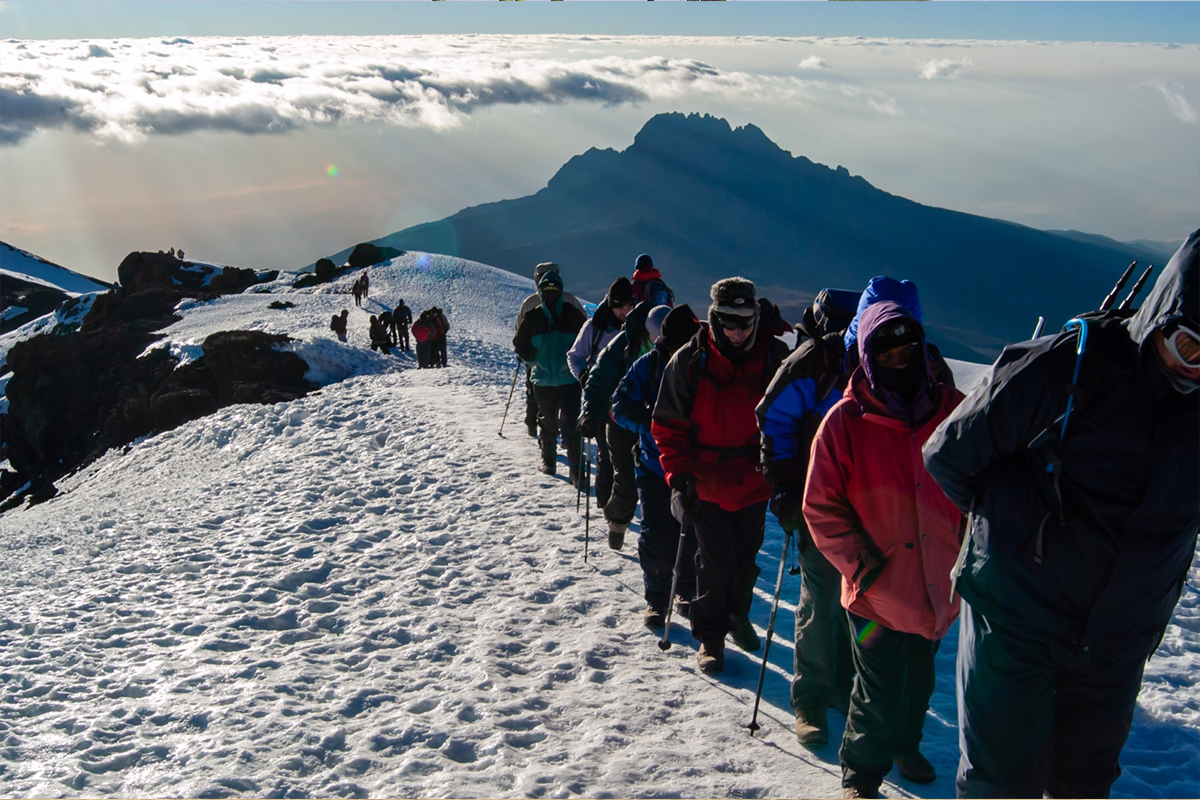
Mount Kilimanjaro has five major ecological zones, each approximately 3,280 feet (1,000 m) in altitude. Each zone is subject to a corresponding decrease in rainfall, temperature and life as the altitude increases. At the beginning of the climb, at the base of the mountain, the average temperature is around 70°F to 80°F (27°C to 32°C). From there, the temperatures will decrease as you move through Mount Kilimanjaro’s ecological zones. At the summit, Uruhu Peak, the nighttime temperatures can range between 0°F to -15F (-18°C to -26°C). This makes Kilimanjaro's weather very dynamic, and you should always be prepared for wet days and cold nights.
We recommend to our clients who want to climb Kilimanjaro that the long rains typically occur from February to May, and basically, it is at this time that visibility is bad, and the mountain becomes slippery and treacherous. The shorter rains occur during November and December, while June through October it is summertime and conducive for climbing the Mountain.
NB: Provided that February through May is the long rainy season, mountaineers climb this mountain to the top without any problem so long as they have all the required climbing gear.
Weather Conditions near the base of the mountain tend to be tropical to semi-temperate and are relatively stable all year round. The lower plains are hot and dry with average temperatures of around 90 degrees Fahrenheit. As one heads away from the Lower Plains towards the Rain Forest, conditions become increasingly warm and humid.
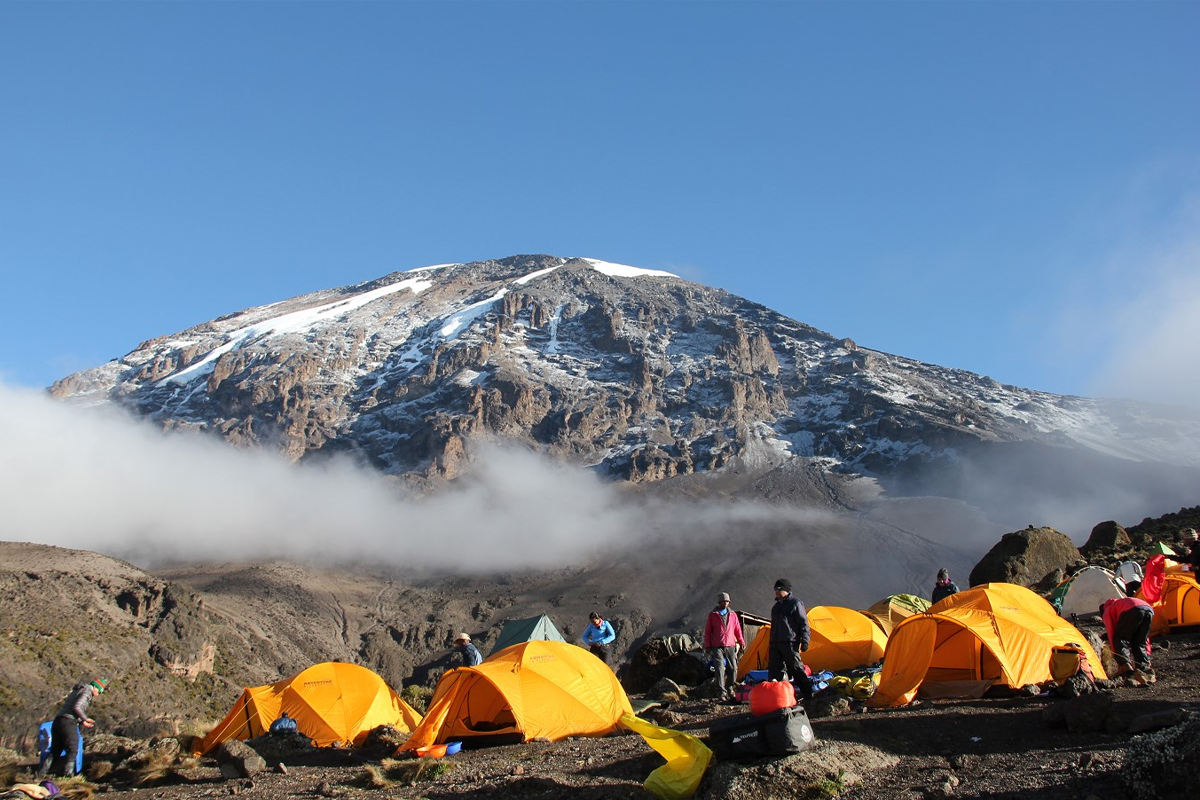
Mount Kilimanjaro is divided into five distinct zones: Cultivated farmlands on the lowest levels, next is the rainforest zone, followed by heath and moorland with alpine vegetation, and just before the barren, snowy summit is a lunar-like desert. The climate and animal life is dependent on the zone.
From Our Gallery
Make this year, a year to remember with Kirenga Safaris.
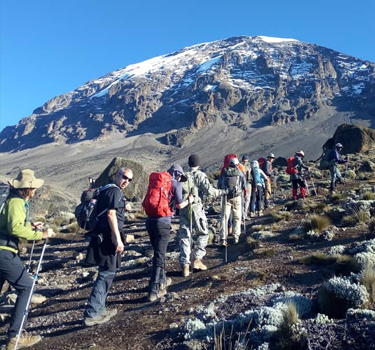
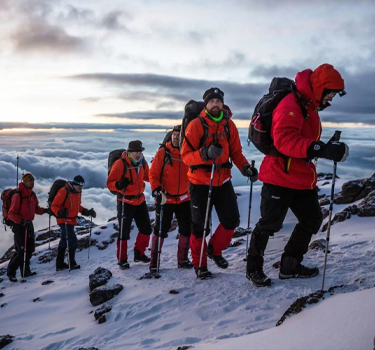
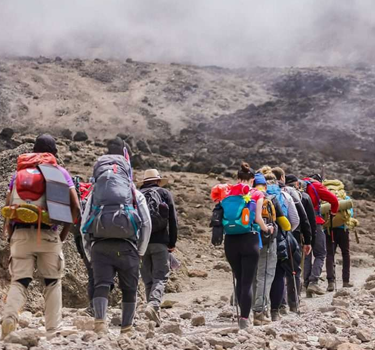
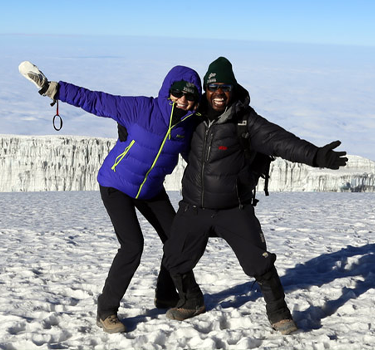
Why not cross off climbing Mount Kilimanjaro before the year is up if you’ve always wanted to experience that adventure? By climbing the highest free-standing mountain in the world, you can make this year, a year to remember.
 Book Us Now
